
Eating Well Is Not a Diet —
It's a Way of Living
Forget restriction. Forget guilt. True nourishment is about building a joyful, sustainable relationship with food that feeds your body, your mind, and your long-term wellbeing.
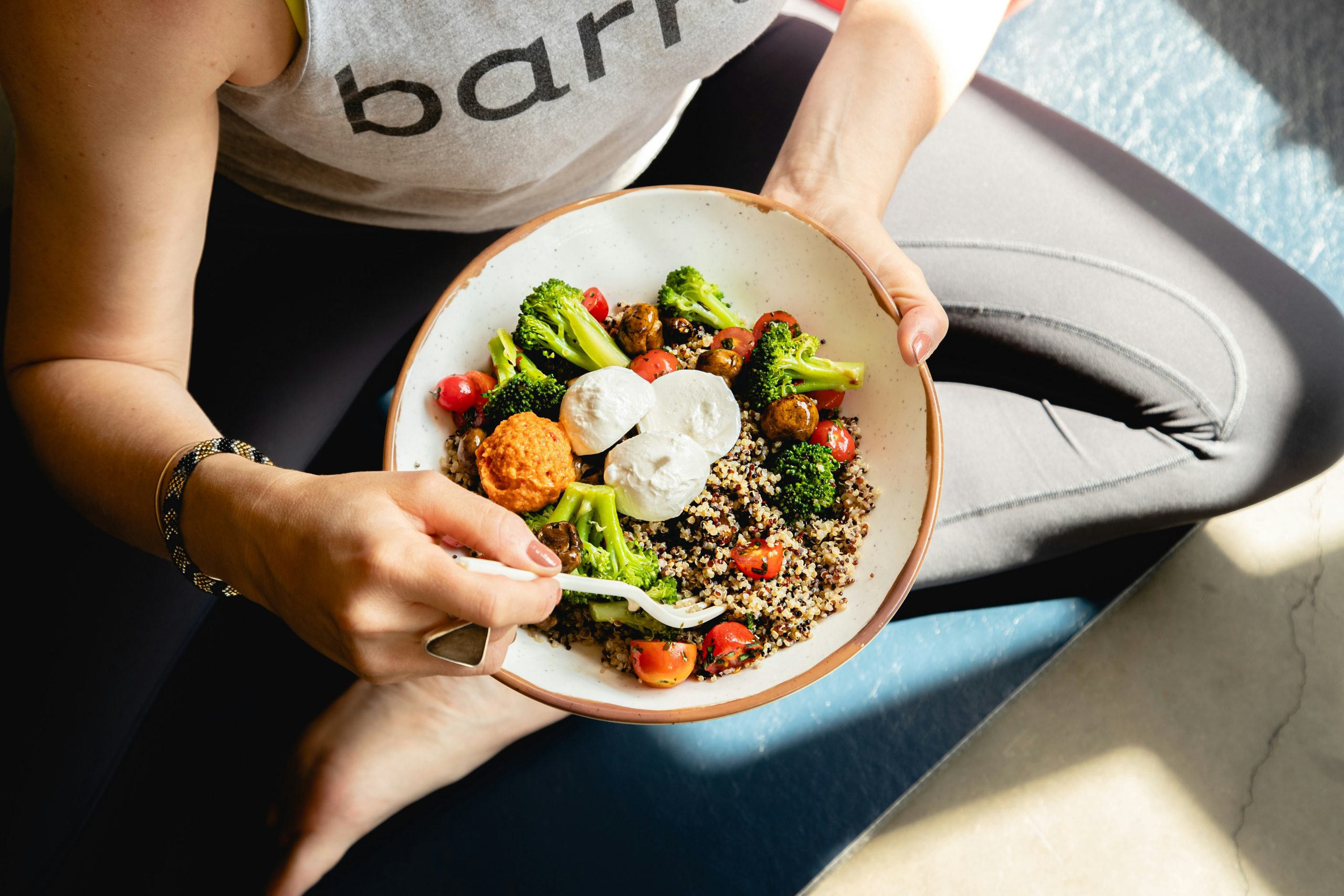
When we talk about healthy eating, we often lead with what to avoid — processed foods, added sugars, saturated fats. But restriction is an exhausting framework. The most powerful shift you can make is moving from a scarcity mindset to an abundance mindset: focusing on what to add rather than what to take away.
Decades of nutritional research point to a remarkably consistent conclusion: diets rich in whole plants, quality proteins, healthy fats, and complex carbohydrates protect against chronic disease, support cognitive function, and promote longevity. The Blue Zones — regions of the world with the highest concentration of centenarians — share this pattern almost universally.
This isn't about perfection. A Mediterranean grandmother eating local olive oil, fresh fish, legumes, and garden vegetables isn't tracking macros. She is connected to her food, her culture, and her land. That connection — that intentionality — is itself nourishing.
The Science Behind Whole Foods
Ultra-processed foods now account for more than 57% of caloric intake in the United States. These products are engineered for palatability — calibrated levels of salt, sugar, and fat that trigger dopamine responses and override natural hunger signals. The result is overconsumption that no amount of willpower reliably counteracts.
Whole foods, by contrast, come pre-loaded with fibre, water, and micronutrients that slow digestion, stabilise blood sugar, and communicate satiety to the brain. An apple and apple juice may contain similar calories, but they behave entirely differently inside your body.
"Let food be thy medicine and medicine be thy food. The greatest healer has always been the nourishment we choose to place on our plates, three times a day, every day of our lives."
— Hippocrates, adapted
- Health Actional Advice
Six Principles
For Long Lasting Change
FCC is supported by a custom-built care system designed to help organize patient records, treatment flow, PhilHealth documentation, and continuity of care. Because being well-organized is one of the most important ways we can protect every patient in our clinic.
Eat the Rainbow
Fill half your plate with colorful vegetables and fruits. Each hue delivers unique phytonutrients your body needs to thrive.
Prioritize Whole Foods
Choose foods with one ingredient — an apple, a handful of walnuts, a fillet of salmon. Processing strips nutrients and adds hidden sugars.
Hydrate Intentionally
Drink at least 8 glasses of water daily. Herbal teas and infused water count. Sugary drinks quietly undermine every healthy meal you eat.
Mind Your Portions
A cupped hand of grains, a palm of protein, a thumb of fat. Simple visual guides beat calorie-counting apps for most people.
Cook More at Home
Home-cooked meals contain up to 50% less sodium than restaurant food. You control every ingredient — quality, quantity, and preparation method.
Slow Down & Savor
It takes 20 minutes for your brain to register fullness. Eat slowly, chew thoroughly, and put down your fork between bites.

A Note on Sustainability
No eating pattern is sustainable if it makes you miserable. Joy is itself a nutrient. Sharing a meal, enjoying a glass of wine, celebrating with birthday cake — these are not failures. They are part of the full human experience, and no study has found that occasional indulgence harms the long-term health of someone who eats well most of the time.
The goal is not a perfect diet but a good one — one that is rich in nutrients, diverse in flavour, rooted in culture, and flexible enough to accommodate real life. Start with one change. Add a vegetable to dinner tonight. Swap the afternoon soda for sparkling water with lemon. Cook one new recipe this weekend.
Small acts, repeated consistently, become the foundation of a healthy life. That is not a diet. That is wisdom — and it is available to all of us, beginning right now.

Dr. Sofia Reyes, RD
Sofia is a registered dietitian and nutrition scientist with 15 years of clinical practice and research. She holds a PhD in nutritional epidemiology from Johns Hopkins and writes weekly on the science of food and wellbeing.